Most Australian itineraries look exactly the same: Sydney Opera House selfie, Cairns dive boat, Melbourne laneway, done. If you’re interested in something different, like an active journey down the east coast all the way to Tasmania, this one’s for you.
This 21-day itinerary moves at a relaxed pace, with fewer hotel swaps and more time to actually experience each stop. Along the way, you’ll hit Brisbane, Canberra, the Snowy Mountains, the Murray to Mountains Rail Trail, Melbourne, and Tasmania.
Trip at a glance: Brisbane (3 nights) → Canberra (2 nights) → Snowy Mountains/Jindabyne (3 nights) → Beechworth + bike tour (3 nights) → Melbourne (2 nights) → Tasmania (7 nights)
Best time to go: October–April for hiking and the bike trail. If you visit Beechworth and the Alpine region in April/early May, you’ll catch the autumn colors that make the region even more spectacular.
Days 1–3: Brisbane
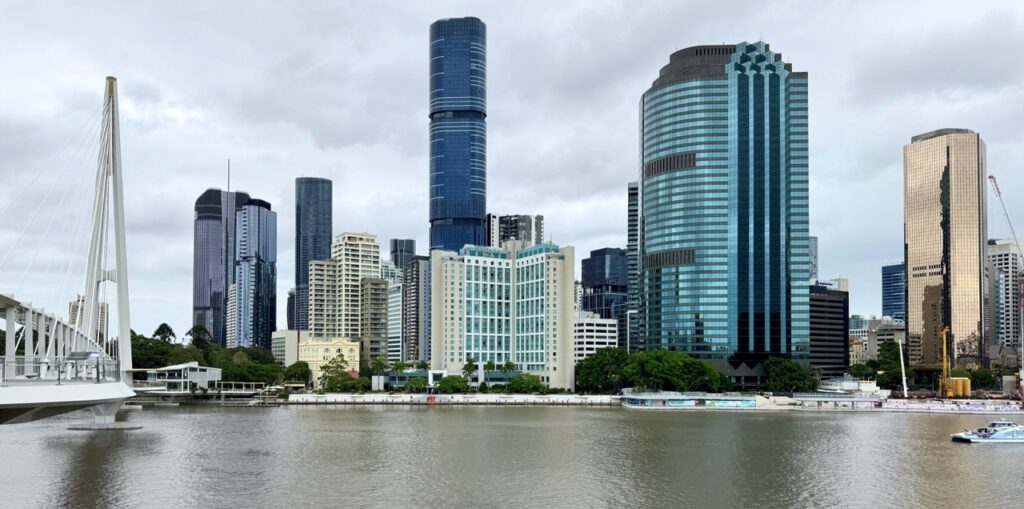
Australia’s third-largest city is often overlooked by visitors who head straight to Sydney and Melbourne. Their loss is your gain—you’ll be rewarded with fewer crowds and a chance to experience one of the most liveable cities in the world. Brisbane felt more like a sunny, chilled-out West Coast city to me, kind of like Los Angeles but actually walkable and with great public transit. Read our Ultimate Brisbane City Guide for even more inspiration.
Where to Stay: Stamford Plaza Brisbane
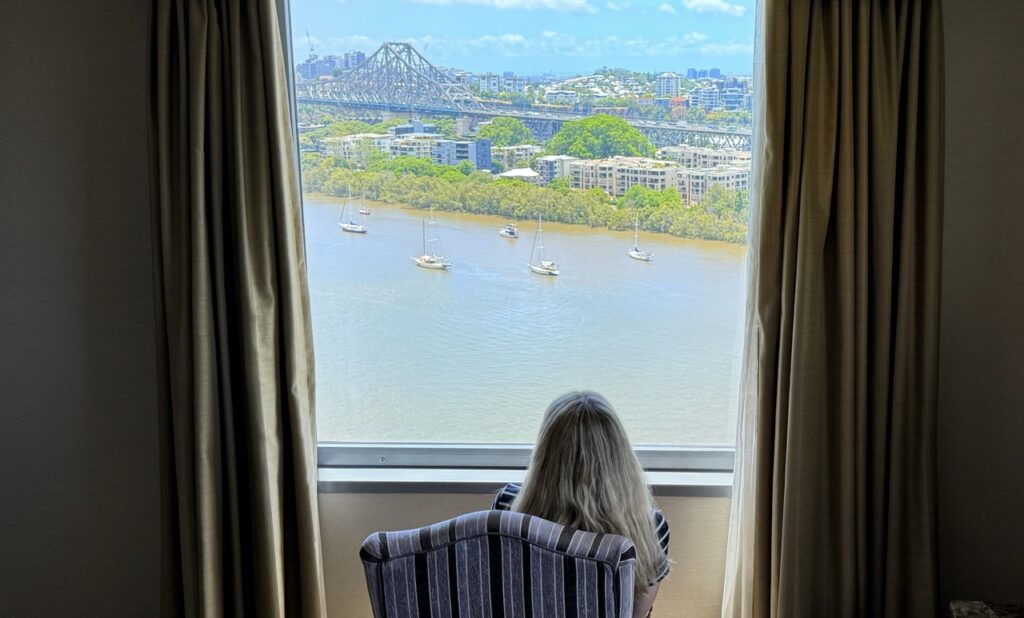
There’s one reason the Stamford Plaza consistently tops best-hotel-in-Brisbane lists: every single one of its 252 rooms faces the Brisbane River. No matter which room you choose, you’ll be rewarded with floor-to-ceiling panoramas of the Story Bridge, Kangaroo Point Cliffs, and the City Botanic Gardens. The hotel sits on the corner of Edward and Margaret Streets in the CBD and is within easy walking distance of several tourist attractions.
Read our full review of the Stamford Plaza Brisbane for more details.
Day 1: Arrive and recover
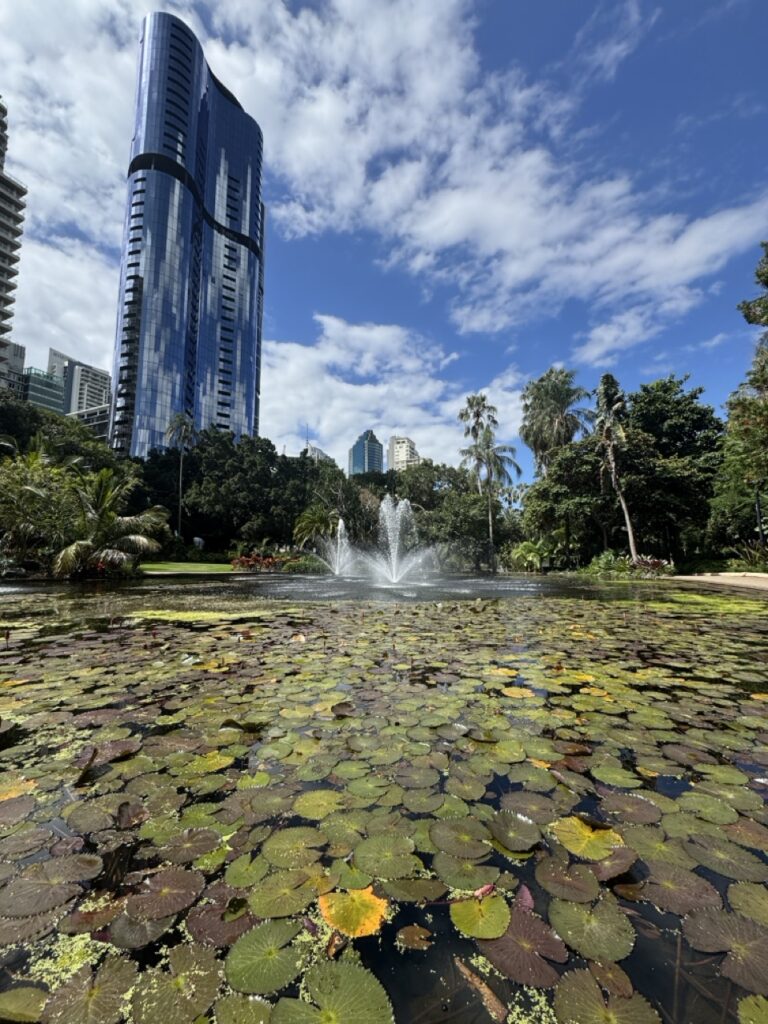
After a long-haul flight, resist the urge to overplan. Drop your bags at the Stamford Plaza and take a slow walk through the City Botanic Gardens, which is exactly the right amount of activity for someone who just got off a 20-hour flight.
When you’re ready to sit down for a bit, take a trip on the CityCat, Brisbane’s river ferry system, which doubles as a sightseeing cruise for the low price of 50 cents. Hop on at any terminal and ride it both directions to get your bearings.
Afterward, grab a coffee and relax in the City Botanic Gardens while enjoying the people-watching.
When you’ve stayed up as late as you can manage, head to Felons Brewing Company at Howard Smith Wharves for a casual dinner along the water before retiring early. It’s tucked under the Story Bridge, right on the river, with on-site brewing and no reservations needed.
Day 2: South Bank and Star Brisbane rooftop
Brisbane might not be famous for the beach, but you may be surprised to find that you can take a dip or lounge in the sand right in the heart of town at South Bank Parklands, a man-made beach, a lagoon, and extensive parkland built on the site of a former World Expo, right across the river from the CBD. The weekend markets here run Saturday and Sunday and are worth an hour of browsing.
In the late afternoon, make your way to The Star Grand Brisbane for sunset from the rooftop. The views across the river and city are genuinely excellent and completely free. Arrive around an hour before sunset and get a drink at the bar if you feel like a sundowner.
Day 3: Eat Street, the kayak option, and optional day trips
Walk or ferry over to the Brisbane Powerhouse at New Farm, a converted powerhouse that now hosts art exhibitions, performances, and a Saturday farmers market from 6 am to noon. The Collective Markets also run on weekends in the area with local designers and food stalls.
The Eat Street Northshore Markets run Friday through Sunday: 70 shipping container food trucks arranged along the river, live entertainment, and enough variety that you’ll need multiple laps to decide.
If you’re not visiting on the weekend, take advantage of everyone else being at work and enjoy a kayak or paddleboard rental along the Brisbane River. Or rent bikes from Riverlife Adventure Center and follow the Bicentennial Bikeway along the off-street path along the river for miles.
For day trips, Surfer’s Paradise on the Gold Coast is an hour south.
Days 4–5: Canberra
Okay, Canberra doesn’t have the most exciting reputation, but it’s the easiest gateway to the Snowy Mountains, and if you’re flying through Australia’s capital city, it would be rude not to stop in and say hello.
Where to Stay: Deco Hotel Canberra
Deco Hotel is Canberra’s best hotel, with a great location in a quiet section of the Braddon neighborhood, which is Canberra’s hippest precinct. I found Canberra’s public transit to be fairly useless (walking was faster and easier), but it’s a very walkable city, and you can Uber if needed.
Day 4: Museums
Many of Canberra’s museums are free. The National Gallery of Australia is my top pick if you’re only in the mood for one, but the National Portrait Gallery, Parliament House, and Australian War Memorial are all free and worth a visit.
After, treat yourself to Gelato Messina as a reward for all that walking. Get the super dulce de leche. You’ll thank me later.
Day 5: Multicultural Festival (if in season) or Canberra at leisure
If your dates fall in February, the National Multicultural Festival is one of the largest street food and cultural events in Australia and an excellent reason to build your schedule around Canberra. You’ll find over 70 countries represented across food stalls, live music, and plenty of performances.
If the festival isn’t on, enjoy a quiet day. Walk around Lake Burley Griffin or treat yourself to a massage.
Days 6–8: The Snowy Mountains
Pick up your rental car in Canberra and drive roughly two and a half hours south to Jindabyne, the main gateway town for Kosciuszko National Park and the Snowy Mountains.
Where to Stay: Hamilton House, Snowy Mountain Luxury Villas
Jindabyne is a charming mountain town overlooking a beautiful lake and is the best base for Kosciuszko. Book a villa at Hamilton House, a boutique property on the edge of town. Rooms have in-room washers, dryers, and kitchens, which will come in handy at this point in the trip if you’re sick of eating out every meal or need to do laundry. The property also has private gardens, a fire pit, a covered outdoor dining cabana, and an herb garden.
Day 6: Arrive Jindabyne
Stop at the Snowy Region Visitor Centre when you arrive. The friendly staff can give you advice and updates about trail conditions for Kosciuszko and will set you up with a free loaner emergency beacon. They’ll take your credit card as a deposit, but you’ll only be charged if you fail to return it. It’s an important safety measure to have if you’re hiking Australia’s tallest mountain.
Spend the afternoon on or near Lake Jindabyne: kayak rentals, stand-up paddleboarding, and a lakeside walking path are all good options.
Day 7: Hike Mt. Kosciuszko, Australia’s Highest Peak
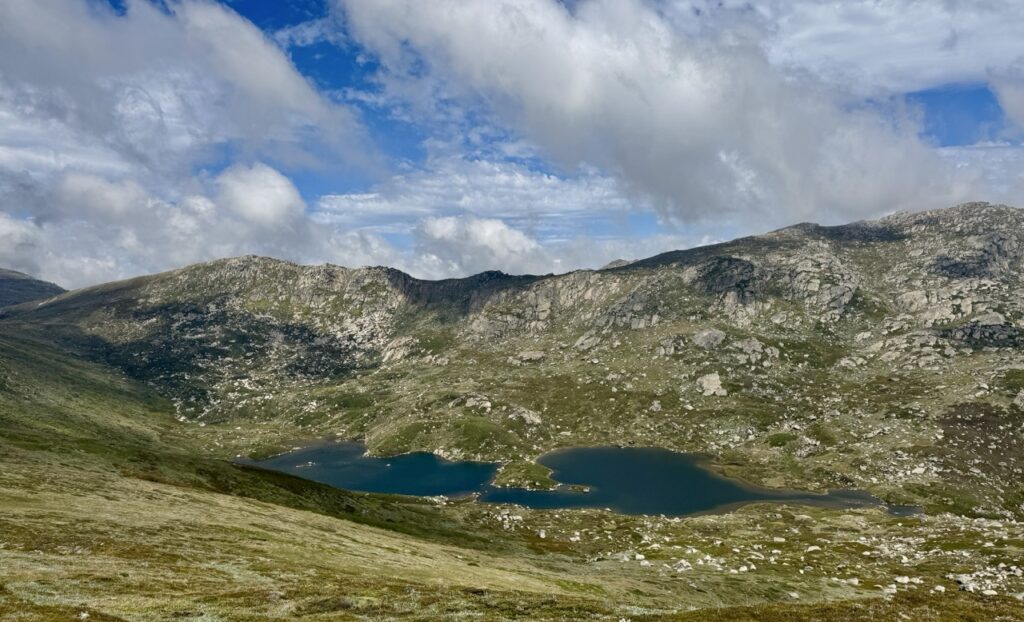
Australia’s highest summit at 2,228 meters (7,310 feet) is more accessible than any of the other Seven Summits, and it’s a fun accomplishment to brag about later. When else will you get to be the highest person in the country? (Inspired to hike one of the other Seven Summits? Read our 101 Tips for a Successful Kilimanjaro Summit.)
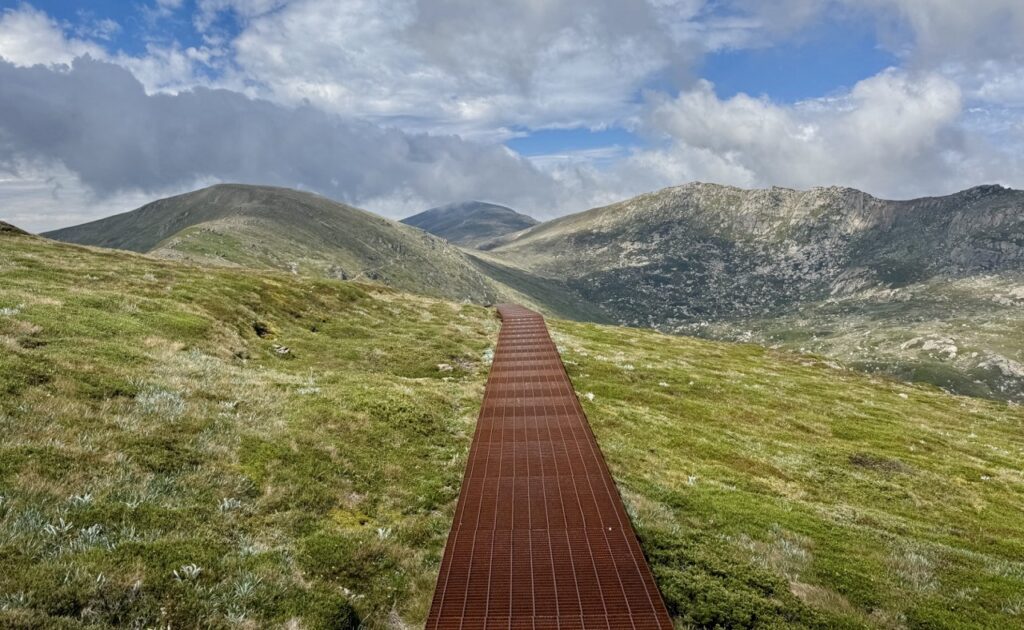
To make it feel like a real summit hike, drive to Charlotte Pass and park along the road. From here, a well-marked path leads to the summit with a mix of paved path, elevated metal track, and wide gravel sections, none of which are too difficult. This route is quieter than the Thredbo approach and passes through some of the most beautiful sub-alpine meadow terrain in the country. It took me about 5.5 hours and was very doable for a regular hiker. Be prepared for rapidly changing weather. When I started the hike, it was cold with intense fog and high winds, but by the time I reached the summit, it was hot and sunny. Pack lots of water, food, layers, and sunscreen.
If you’re looking for an easier or shorter option, you can cut off hiking time by taking the Kosciuszko Express chairlift from Thredbo village and walking from there.
Day 8: Wallabies
Need a shakeout hike after crushing Kosciuszko? Start your day by parking at the Gaden Trout Hatchery and walking along the flat path through the woods. This is where I saw the most wallabies in all of Australia. They gather in significant numbers around the hatchery, particularly in the morning and at dusk, and they are remarkably unbothered by human intruders.
Spend the rest of the day on Lake Jindabyne. There are plenty of good spots for a lazy afternoon, particularly if the weather cooperates. Kayak or SUP again, or take a cold plunge in the water, which is pretty chilly year-round. (On the bright side, the water is way too cold for crocodiles.)
Days 9–12: Victoria Wine Country Bike Tour (Beechworth to Milawa to Bright)
The most underrated way to see Australia is on two wheels, so it’s time to explore via the Murray to Mountains Rail Trail.
Day 9: Drive to Beechworth
From Jindabyne, drive approximately three hours northwest into northeast Victoria. Beechworth is one of the best-preserved gold rush-era towns in Australia, with granite buildings, a charming main street, and local cafes. It’s also the epicenter of one of Victoria’s best small-scale food and wine regions.
Check in at The Brewers House, a boutique inn in the heart of Beechworth that’s recently renovated with comfortable beds, new bathrooms, and a pool. Then head to Beechworth Honey for a tasting of honey in every flavor imaginable. The honey is surprisingly affordable (I picked up a bottle for about $8) and makes excellent souvenirs. Pro tip: take the honey, pick up some cinnamon and Tamar Valley plain yogurt, mix it together, and enjoy the best breakfast in Australia.
Days 10–11: Murray to Mountains Rail Trail by Bike
Book your bikes and luggage transfer with The Bike Hire Company, which can create a custom tour for you (including shorter or longer options). They offer a luggage transfer option, in which they’ll pick up your bags from each accommodation and drop them at the next stop for you while you’re out riding, so you can cycle unencumbered. At the end of the trip, they’ll shuttle you back to your car in Beechworth.
The Murray to Mountains Rail Trail is approximately 112 miles of converted railway line through some of northeast Victoria’s most beautiful scenery. You’ll ride past farmland and vineyards and through charming small towns with rolling mountains in the distance.
Day 10: Beechworth to Milawa via Wangaratta (approx. 68km / 42 miles)
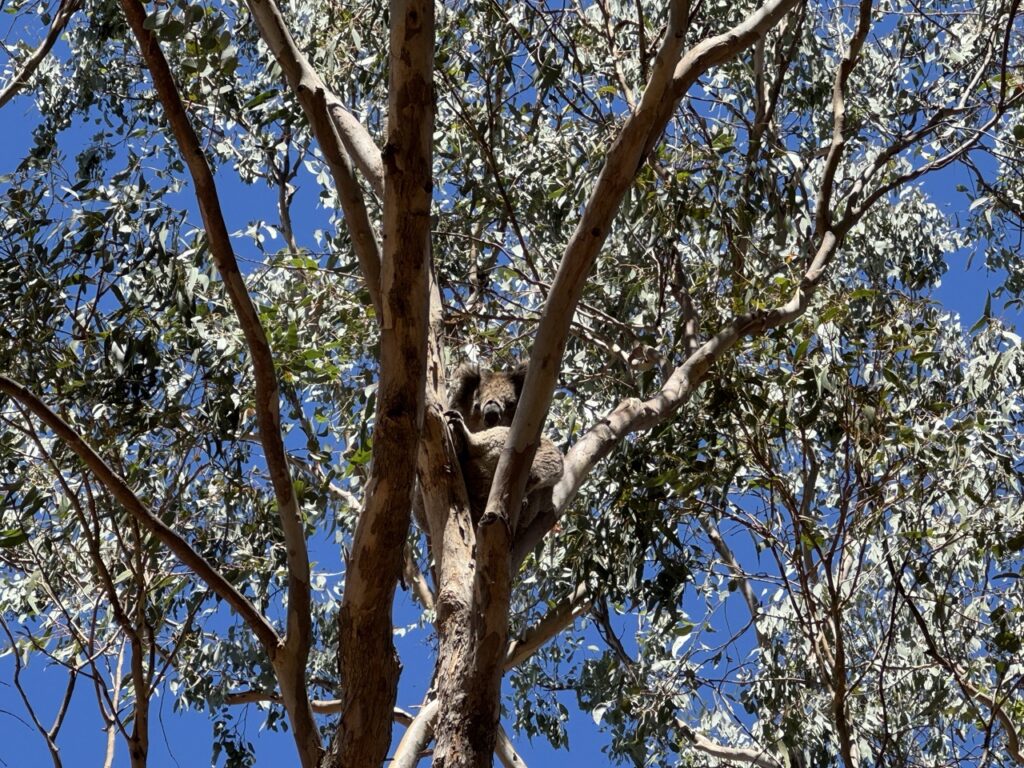
The trail passes through open farmland and patches of native bush, with the Ovens Valley spreading out to the south and the alpine foothills starting to appear on the horizon. Watch the eucalyptus canopy carefully for koalas. They’re present along this section and are exactly as difficult to spot as people say: motionless, gray, in gray trees.
Keep an eye on the trail edges and grassy verges for echidnas. They tend to appear in the morning and early afternoon. If you see one, slow down, give it space, and watch it do its thing. It will not rush for you or anyone.
Stop for lunch in Wangaratta and get a refreshing acai bowl at TJ and Co Blends Bowls Bites before heading on to Milawa. This is the heart of northeast Victoria wine country, home to Milawa Mustards, King River Dairy, and Brown Brothers Winery.
Stay at Church Lane Accommodation, which has an outdoor soaking tub perfect for tired muscles. Make sure to step outside and enjoy stargazing in this area, which has low light pollution, before calling it a night.
Day 11: Milawa to Bright via Everton and Myrtleford (approx. 70km / 43 miles)
Today is the longest day on the trail and the most scenic. The route passes through Everton and Myrtleford before climbing into the foothills and descending into Bright, a small alpine town at the foot of the Victorian Alps that is unreasonably pretty in any season.
Day 12: Shuttle back to Beechworth, drive to Melbourne
The Bike Hire Company arranges return shuttles to Beechworth. Pick up your car, load up, and drive roughly three hours south to Melbourne. Return the rental car in the city before you get stuck having to navigate one of Melbourne’s famously terrifying hook turns.
Days 13–14: Melbourne
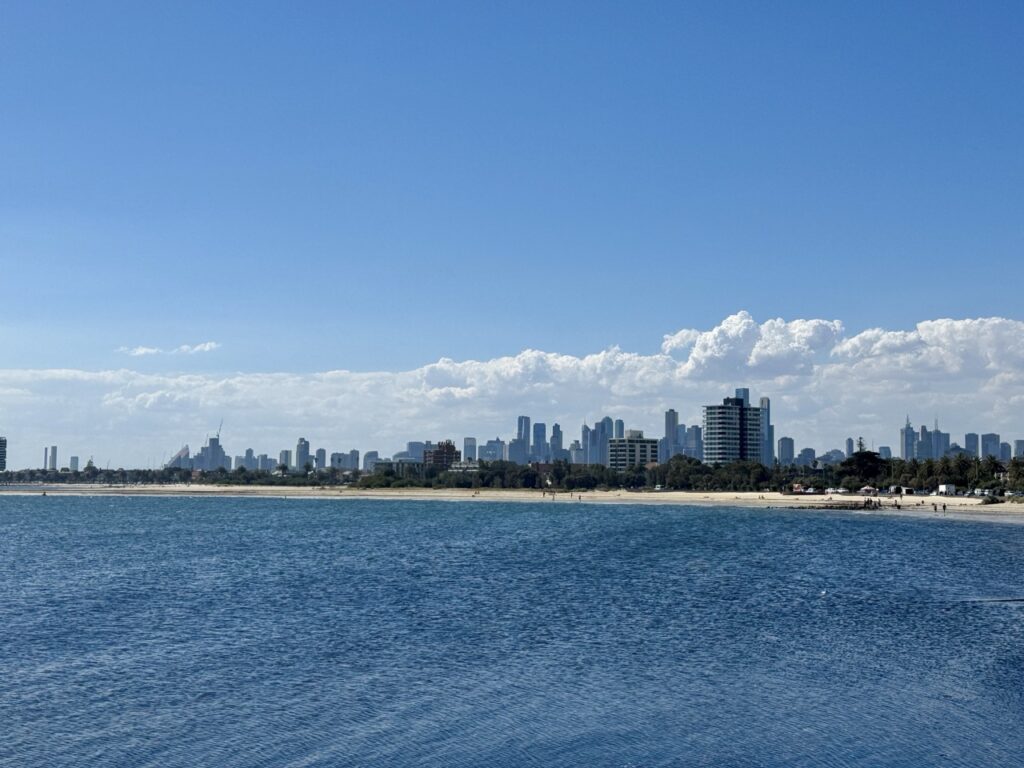
Melbourne is Australia’s second biggest city, and there’s plenty to explore here.
Where to Stay: Park Hyatt Melbourne
The Park Hyatt Melbourne is one of Melbourne’s best luxury hotels. It’s located in the heart of the CBD, steps from St. Patrick’s Cathedral and the Fitzroy Gardens.
Day 13: Inner city Melbourne
Start the morning at Queen Victoria Market, one of the great city markets in Australia. It’s touristy, yes, but it’s also where you can find the best mangos in the city. Get Love mangos if they’re in season, and be ruined for all other mangos for the rest of your life. You’ll also find local cheese, dairy products, seafood, and produce. If you’re staying somewhere with a kitchen, bring ingredients back to cook, or eat at one of the numerous food stalls. If you’re visiting in summer, the Night Market runs on Wednesday evenings with street food, live music, and a very Melbourne sense of organized chaos.
After the market, get a coffee at Patricia Coffee Brewers, widely considered one of the best specialty coffee spots in Melbourne.
From there, familiarize yourself with the city by taking one of Melbourne’s many self-guided walking tours. I vote to combine the street art and iconic laneways walks.
Spend the afternoon in Fitzroy Gardens, a lush oasis in the middle of the city.
In the evening, catch a show at Impossible Occurrences, a magic show that leaves you questioning reality. Or look at the Spiegelhaus program if it’s in season—the ornate mirrored tent hosts some of the best cabaret and circus acts that come through Melbourne.
Day 14: Coastal Melbourne
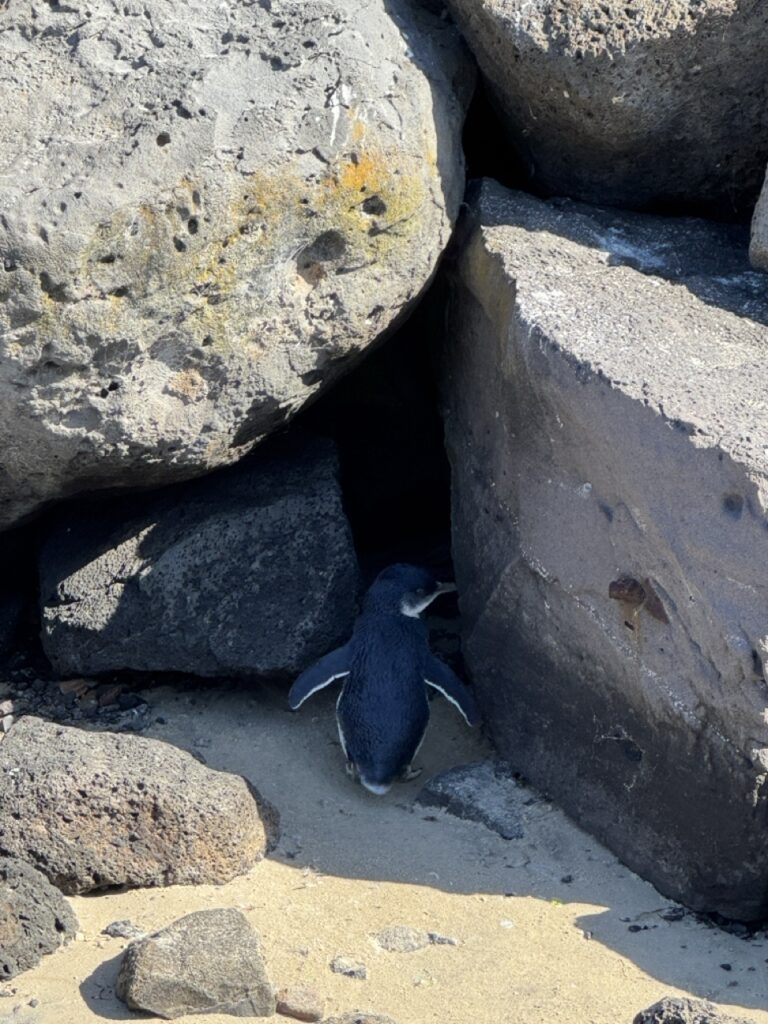
Take the tram to St. Kilda for the morning. Walk the esplanade, eat at one of the many good restaurants on Acland Street. To explore more of the area, rent bikes and ride the promenade to Brighton Beach to see the famous colorful bathing boxes.
Plan ahead and book tickets to see the nightly penguin parade at St. Kilda. Tickets are limited and sell out far in advance.
If you have extra time in Melbourne, the Free City Circle Tram loops through the CBD and is useful for getting oriented without effort, but be warned, it can get uncomfortably crowded. The Melbourne Cricket Ground tour is more interesting than expected, even for non-cricket fans. And Mt. Dandenong, about an hour out, has a scenic lookout over Melbourne.
Days 15-21: Tasmania
Tasmania, a rugged and wild island off the southern coast of Australia, is well worth the short flight.
Day 15: Melbourne to Tasmania (via Launceston)
There are two main airports in Tasmania, Launceston and Hobart. Book your flight into Launceston and out of Hobart to maximize how much of the island you see while minimizing driving. I compared rental car rates, and dropping off at a different location was surprisingly not that much more expensive than returning to the same place.
Tasmania is unusual in Australia for still having many rental car companies that don’t offer unlimited mileage by default. Read your rental agreement carefully and make sure you’ll have enough miles to cover everywhere you’re going. Thrifty, Europcar, and Budget all operate in Launceston. Book well in advance as availability in peak season can be limited.
Avoid driving in Tasmania after dusk. The island’s wildlife density, including wombats, wallabies, pademelons, possums, and Tasmanian devils, combined with its narrow roads, means nighttime driving carries real risk for both you and the animals. Plan your drives to finish before dusk. Sadly, I saw more wildlife that had been killed along the side of the road in Tasmania than I did roaming around.
Day 16: Launceston to Cradle Mountain via Narawntapu National Park
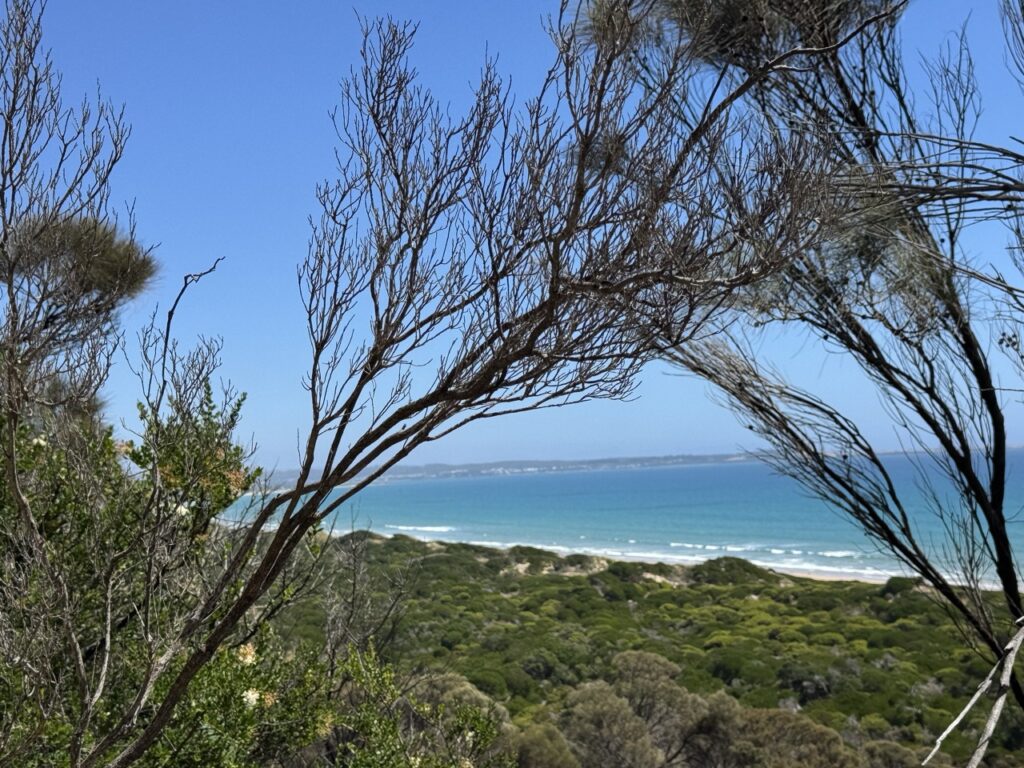
The drive towards Cradle Mountain will take you through Tasmania’s Tasting Trail, a route of artisanal producers. Stop along the way at the Ashgrove dairy farm door for a cheese tasting.
Then, head toward Narawntapu National Park on the north coast. It’s about a 45-minute detour from the main route to Cradle Mountain, but worth it. This underrated park is nicknamed the Serengeti of Tasmania for its remarkable concentration of wildlife. You’re practically guaranteed to see pademelons, which are an even smaller version of a wallaby. Hike to Archer’s Knob for a panoramic overlook of the park and the coastline below.
From Narawntapu, continue roughly two hours south to Cradle Mountain-Lake St. Clair National Park.
Where to Stay: Peppers Cradle Mountain Lodge
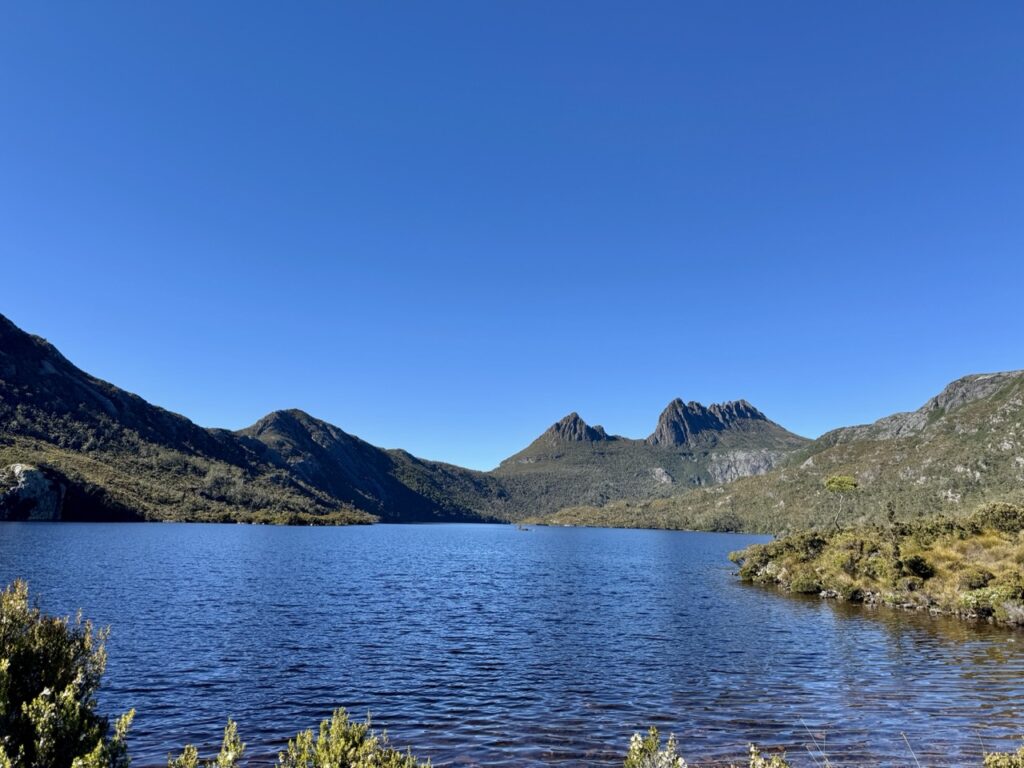
This is the best accommodation near Cradle Mountain for a reason. The lodge sits directly on the edge of the national park, saving you driving time each morning and evening. The property is a collection of cabins ranging from cozy Pencil Pine Cabins to the King Billy Suites with private fireplaces and spa baths. The lodge is intentionally free of in-room TVs and Wi-Fi, which is either a minor inconvenience or a profound relief depending on your relationship with your phone. Don’t worry, Wi-Fi is available in the main lodge building. Peppers books up fast in peak season, so book well in advance. The only downside is it’s not really near any restaurants, and there’s no in-room amenities for cooking, so you’ll be pretty limited to the hotel’s eatery, which can get repetitive quickly.
Day 17: Hike Cradle Mountain
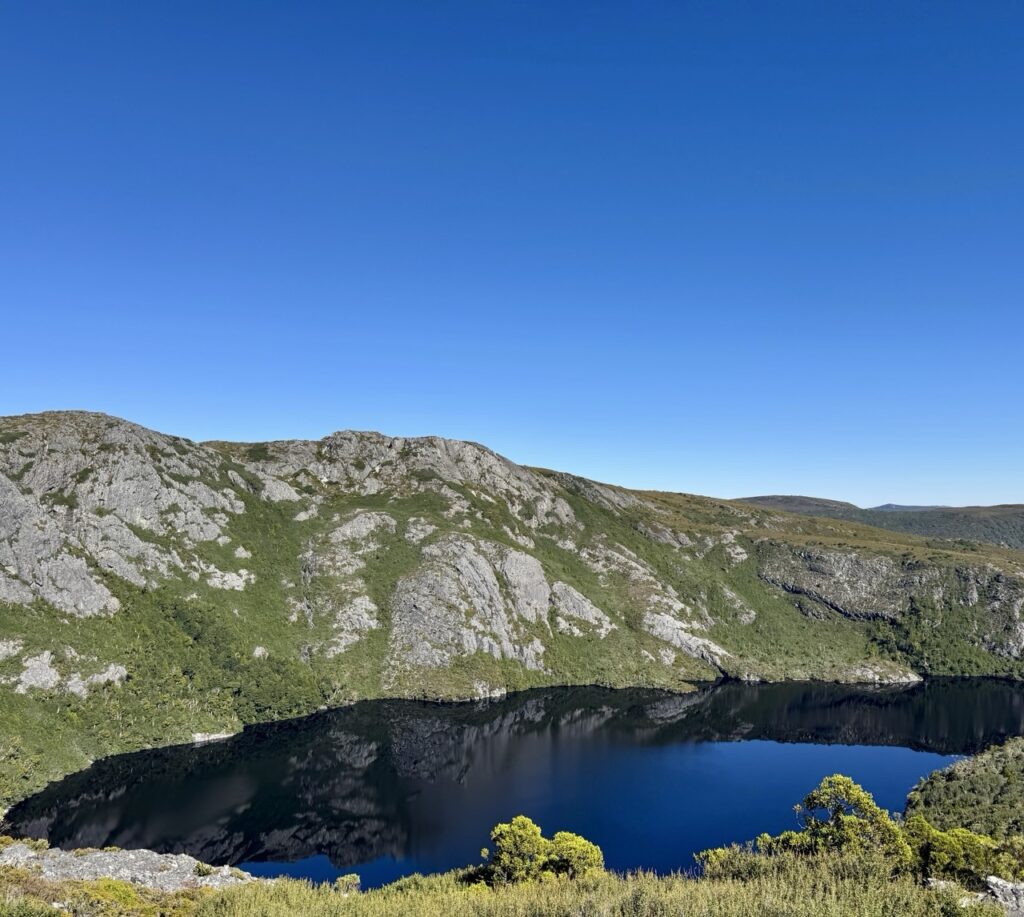
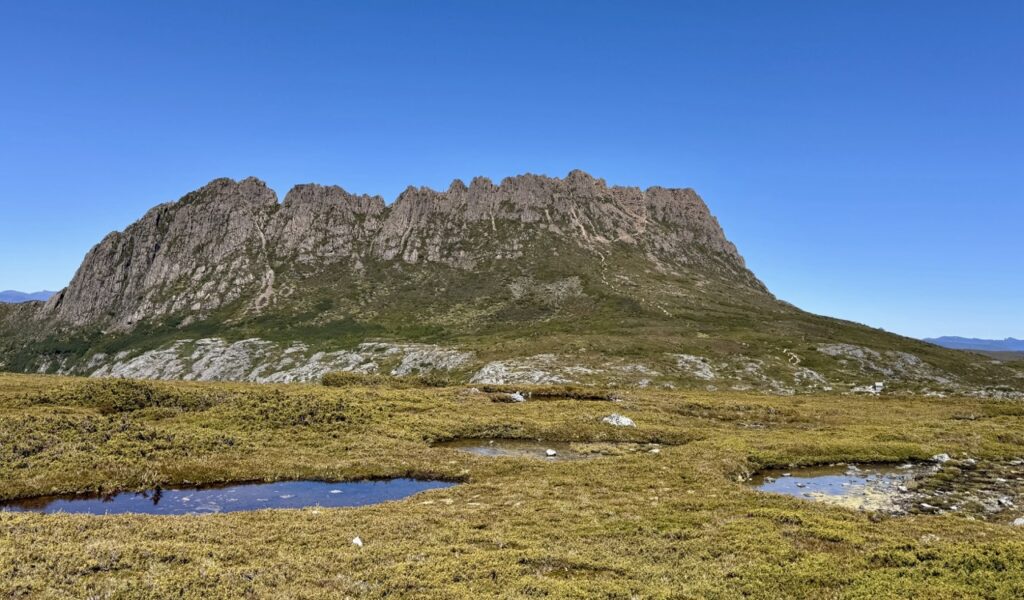
The Cradle Mountain summit hike is one of the most beautiful hikes I’ve ever done, but don’t underestimate it. This is the hardest hike I’ve done in Australia. The trail starts really easily, so you’ll scoff at all the warnings. Then you’ll see the trail head straight up the side of a mountain, and you’ll start to take things a little more seriously. The last mile involves full-on scrambling, where you’ll be using your hands and feet to pull yourself up over boulders. If you’re scared of heights, you may struggle in some spots. The hike is about eight miles round trip and took me about 5.5 hours, and the last mile took me close to two hours out and back due to the scrambling. All that exertion is worth it for the views, with glacial lakes mirroring jagged mountains.
Return via Wombat Pool at dusk. This small tarn just below the main trail is one of the best places to spot these wild-looking creatures.
Note that you’ll need to park at Cradle Mountain Visitor’s Centre and take a shuttle (included with your ticket) to the trailhead. You’re not allowed to drive past the visitor’s centre unless you arrive before the shuttle starts operating, in which case you can drive, but parking at the trailheads is limited, and you’ll need to follow a guide shuttle out when you leave. Shuttle bus hours vary by season; click here for more details.
Day 18: Drive to Coles Bay (allow 3.5 to 4 hours)
This is a beautiful drive cutting across the Tasmanian Midlands and down through the east coast. Arrive at Coles Bay and transfer to Picnic Island, an all-inclusive private island retreat that can be rented out for up to eight people.
Day 19: Hike Wineglass Bay
Your Picnic Island host can arrange any activity you like during your stay.
The hike to the Wineglass Bay lookout is short enough that everyone does it (about 30 minutes up) and worth enough that the crowds don’t diminish it. The view from the saddle, a perfect crescent of white sand beach curving between the Hazards Mountains and the deep blue of the bay, is one of the most photographed in Tasmania and earns every click.
The full descent to the beach is another 30 to 40 minutes, but totally worth it.
In the evening, enjoy the stillness and serenity of Picnic Island. After sunset, the island’s private fairy penguin colony of about 60 mated pairs returns to the island, and you can watch them waddle ashore and into their burrows for the night. It’s an unforgettable experience, followed by stargazing and maybe even catching the southern lights. Enjoy Picnic Island’s private cask of Waubs Harbour Whisky, Tasmania’s best, to cap off your perfect evening.
Day 20: Oyster farm tour and wine tasting
Tasmania’s oysters are cold-water Pacific oysters grown in clean, nutrient-rich bays. The Freycinet Peninsula produces some of the best. Several operators run oyster farm tours and tastings where you learn the process and eat oysters that came out of the water earlier that day.
Pair with a visit to one of the local wineries. The Freycinet wine region produces Pinot Noir and Riesling that benefit from the cool maritime climate.
Day 21: Hobart
If Hobart is on your radar and you haven’t been yet, today is the day to make the two-hour drive down. Tasmania’s capital is a beautiful, compact city that most people shortchange. The Cascade Brewery, Australia’s oldest, has been operating since 1824 and is worth a tour. MONA, the Museum of Old and New Art, is something else entirely and could easily consume the rest of your afternoon. The Glass House is the right bar to end on.
If you’d rather not move, that’s also a correct choice. White Beach near Port Arthur, argued by many Tasmanians to be the most beautiful beach on the island, is worth the short drive south. The Tasman Peninsula’s Tessellated Pavement, Devil’s Kitchen, and Tasman Arch are geological formations that feel genuinely otherworldly if you want one more adventure before the trip ends.
Fly out of Hobart to begin your journey home. Headed to explore more of the region? Read our Longitude 131 Hotel Review or our Ultimate Two Week New Zealand Itinerary.