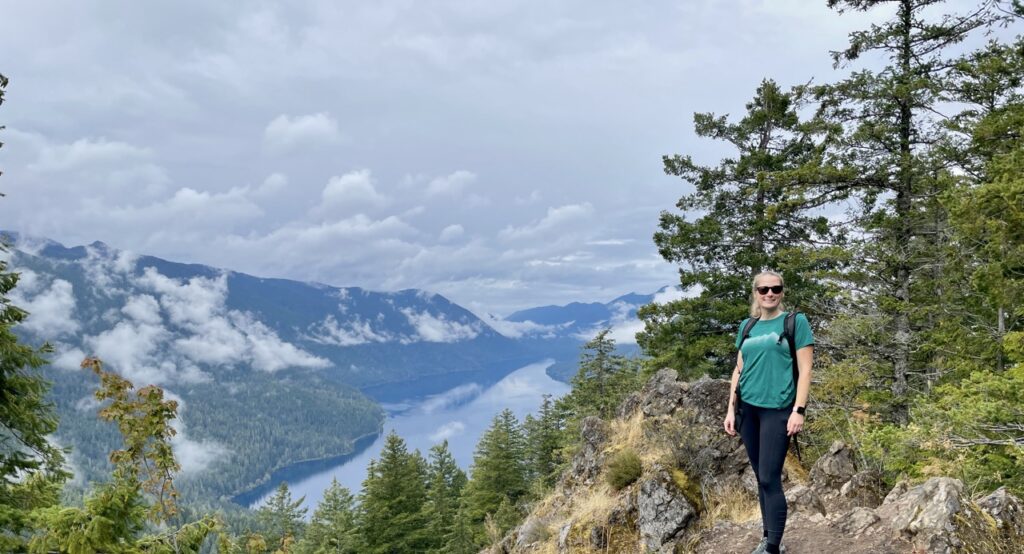
On Bhutan’s Druk Path, I packed jackets, pants, and shoes that were all billed as water-resistant, and after three days of straight rain, I learned the hard way that water-resistant and waterproof are not the same thing. After summiting Kilimanjaro, I wanted to hurl my hiking boots off the mountain. (I didn’t; I donated them instead, but I certainly never went back to the brand that made me lose a toenail.) What you pack for a hiking trip will make or break it, and I’ve put years of testing and hundreds of miles into developing a list I now trust completely. These are the pieces that made the cut.
On the Mountain
This is what I wear and bring on the trail for every trip. Just adjust for weather accordingly (shorts vs. pants, midlayer vs. sun shirt, etc.)
Clothing
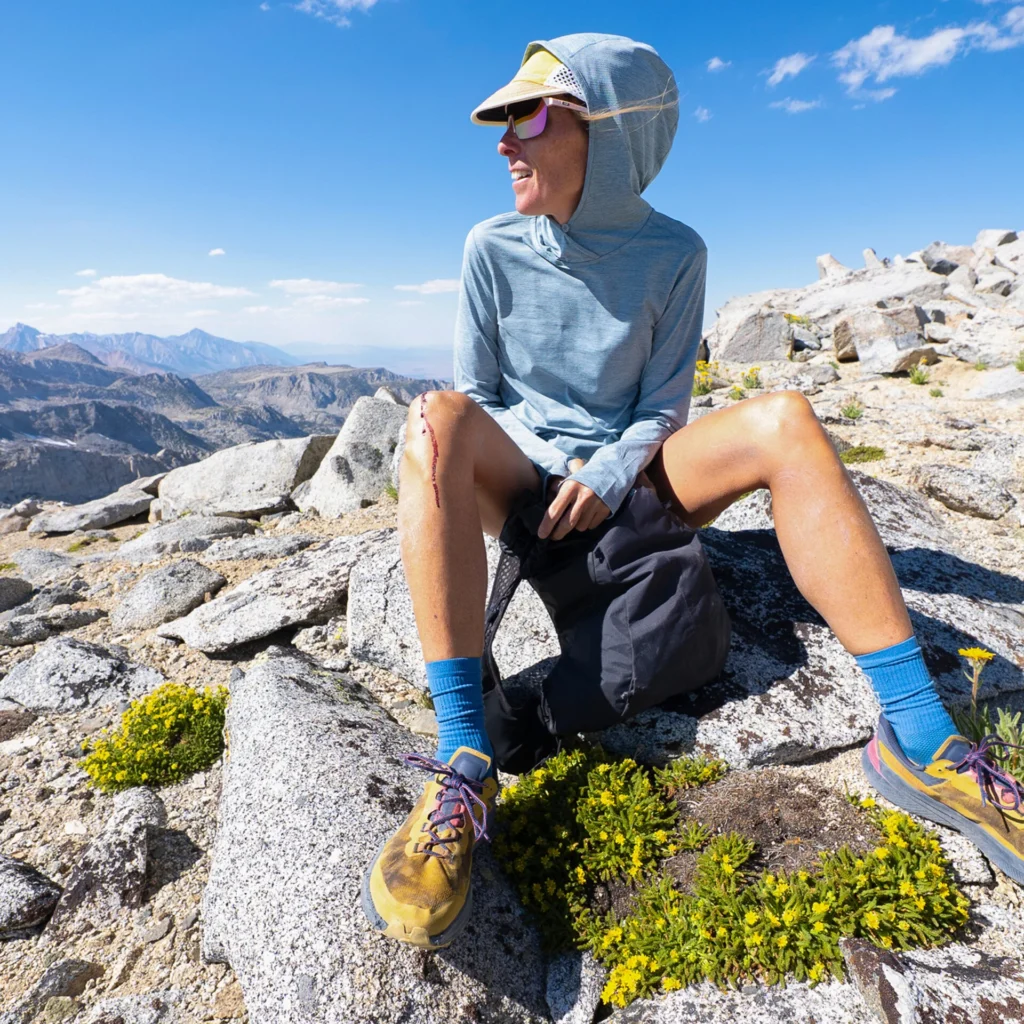
Hiking Pants: Outdoor Research Ferrosi
I’ve never felt the need to have my hiking pants look like hardcore outdoor pants with cargo pockets and zip-off shorts, which is why I always wear Outdoor Research’s Ferrosi Pants. While they have plenty of secure pockets, they’re more low-profile, so I don’t feel out of place wearing them into town after a hike. They’re lightweight and ultra-breathable, so I never overheat in them even when the temperature is slightly warmer than forecasted. They’re also quick-drying and recover from an unexpected rain shower or quick sink wash in time to wear the next day.
Hiking Shorts: Columbia Leslie Falls Short II
For warmer days, Columbia’s hiking shorts are my go-to. They’re lightweight and feature Columbia’s Omni-shade fabric, which provides SPF protection, along with the Omni-shield feature, which repels stains (and I can verify has successfully repelled mud stains). They’re the perfect length and don’t ride up, plus they have a modern-straight leg cut. The pockets are deep enough to hold a phone, and there’s a zippered pocket to stash essentials (like a car key) that you definitely don’t want to drop on the trail.
Sun Shirt: Patagonia Cap Cool Sun Hoody
When you’re spending all day in the elements, sometimes sunscreen alone doesn’t cut it. If you don’t want to stop walking to reapply every two hours, pack Patagonia’s Cap Cool Sun Hoody, which actually keeps me cooler than a short-sleeve shirt or tank top thanks to the lightweight, sweat-wicking fabric and textured back that keeps the shirt off your back and prevents it from sticking to the skin. The fabric provides UPF 40+ sun protection and has a hood with a button closure that will fit over your hat to keep the sun off the back of your neck. There are finger loops (both thumb and middle finger) to protect the back of your hands and a zippered side pocket. It also packs down to almost nothing, so there’s no reason not to bring it.
Base Layer: Patagonia Capilene Cool Merino Blend Graphic Shirt
For layering or standalone wear on warmer days, Patagonia’s Capilene Cool Merino Blend Shirt is hard to beat. The merino fabric blend wicks, breathes, and resists odor better than straight synthetics, which matters on multi-day trips when you’re not exactly near a washing machine. The fit is flattering without being restrictive, and the mountain graphic on the front adds a fun style to your summit snapshots.
Rain Jacket
Weather in the mountains changes fast, and a quality rain jacket is one of those things you either have, or you desperately wish you did. I keep mine stuffed in the top pocket of my pack so it’s accessible within seconds. Montbell’s Versalite Jacket was my favorite hiking rain jacket for years, but then it completely delaminated, so I no longer recommend it. I’ve since switched to Patagonia’s M10 Storm Jacket, which is holding up beautifully (and packs down into its own tiny storage pouch.)
Hiking Boots & Socks
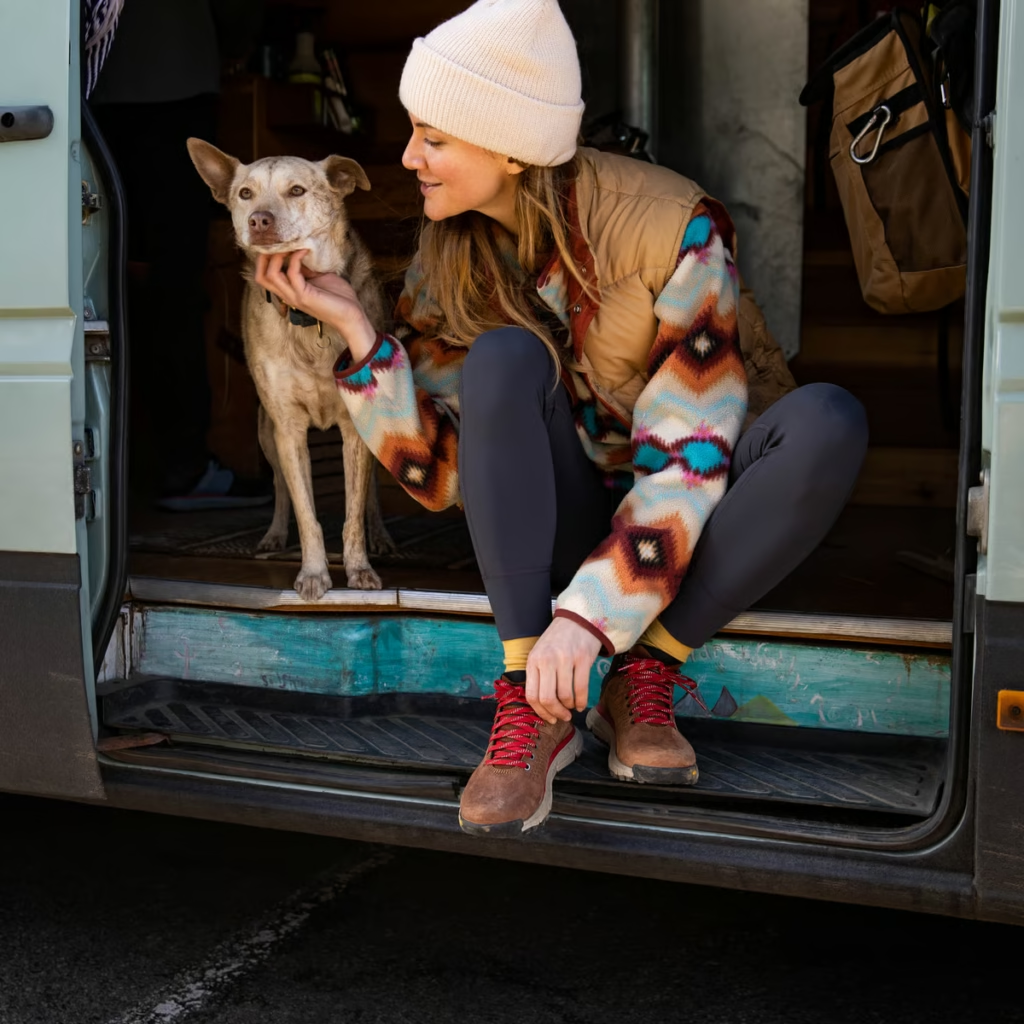
Danner Trail 2650 Mid GTX
I’ve tested hiking boots from practically every major brand, and Danner’s Trail 2650 GTX is hands-down my favorite. These lightweight boots genuinely feel like a sneaker, but are stiff enough to handle technical terrain. The upper is made with durable suede and a lightweight textile that’s ultra comfortable. These felt broken right out of the box. The breathable Gore-Tex lining keeps your feet dry without making them feel like they’re in a plastic bag, and the removable OrthoLite footbed is made of an open-cell polyurethane for better heat dissipation and air circulation.
The Vibram 460 rubber outsole grips everything from slippery granite to wet roots. What I think makes these boots so comfortable, though, is the unique EXO Heel System, an external heel counter that helps lock your foot into place and reduces rubbing and blisters, even during long descents. I also appreciate that the shoe’s toe has extra protection to prevent it from getting torn up when you accidentally kick rocks. (For another pair of Danners that I love, read my review of the Adrika hiking boots.)
Darn Tough Socks
If your feet aren’t happy on a hike, you aren’t happy, so wear Darn Tough socks.
They’re made from Merino wool, so they help regulate your temperature and resist odor better than synthetic options. Darn Tough socks have a performance fit with no slipping, bunching, or blisters. They also come with a lifetime guarantee, so if they ever wear out, rip, or develop a hole, Darn Tough will replace them for free. I have multiple pairs of Darn Tough socks that are over five years old, and I’ve only had to utilize the guarantee once.
Backpack
Patagonia Terravia Pack 22L
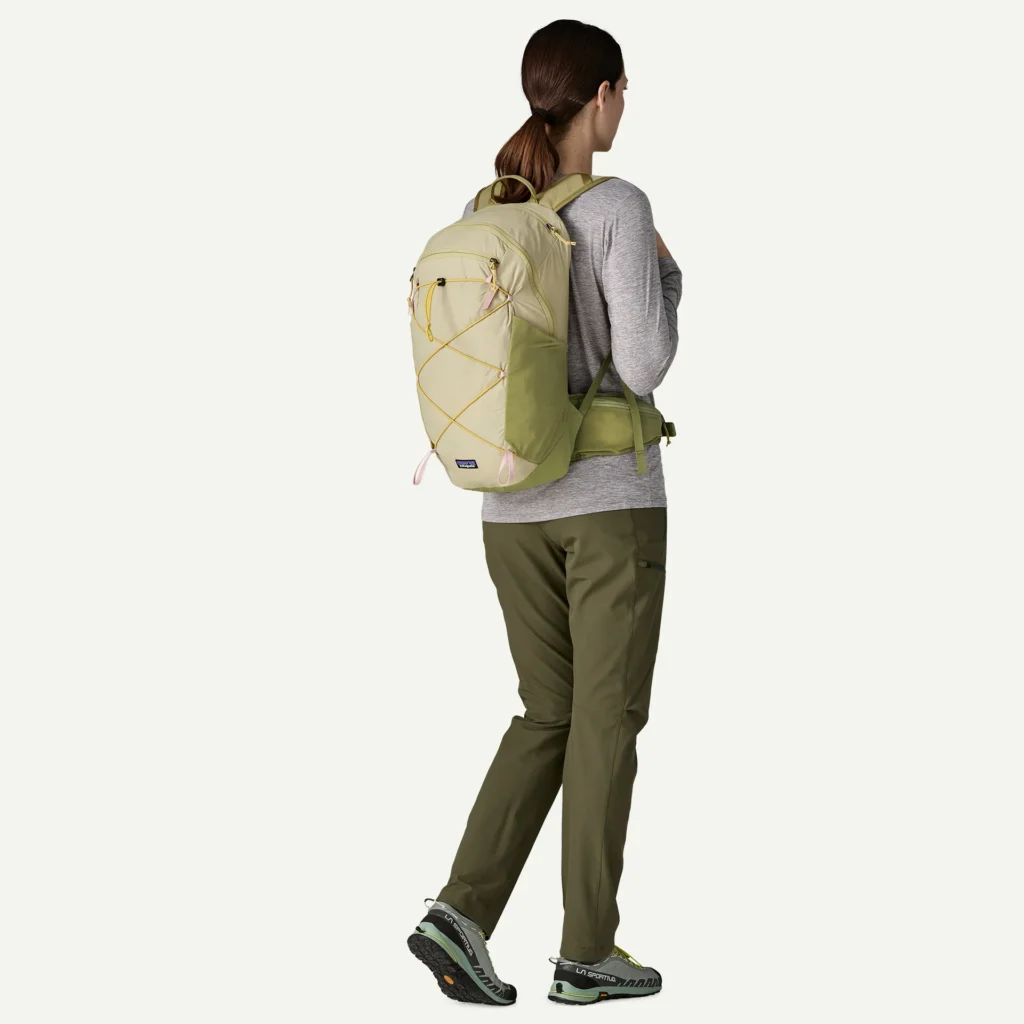
Patagonia’s Terravia Pack does double duty for me. It’s my personal item on the plane, carrying everything I want close at hand during the flight, and it becomes my hiking daypack the moment I land. The 22L is the perfect size—big enough to hold layers, an emergency kit, snacks, and two water bottles, but not so large that you feel weighed down on a day hike. The airmesh back panel and shoulder straps prevent the dreaded sweaty back that kills most packs, and the adjustable hip belt is useful for redistributing weight on longer climbs.
There’s a surprising amount of organization packed in: a small top pocket with a key clip, a larger front pocket, and a bungee lattice on the front for a quick-grab jacket. My favorite detail is the hidden rain cover tucked into the bottom exterior pocket, which guarantees it’s always there if you need it.
Accessories
Hiking Poles
Hiking poles can be the difference between being up for a gentle recovery hike the next day and wincing every time you have to do a set of stairs. They are great for taking stress off your knees on the way down and help you keep your balance on uneven or slippery terrain. Plus, hiking poles are a good thing to have in your bag for emergencies—if someone twists an ankle (or worse), they can work as makeshift crutches. I use LEKI’s Carbon Poles, which are super lightweight and fold down small for easy storage in your pack when you’re not using them.
Water Bottle
I prefer using water bottles instead of a water bladder, so it’s easier to keep track of how much I’m drinking, and so that I can fill up one water bottle with an electrolyte drink. Nalgenes are a hiking classic for a reason—they’re lightweight, leakproof, and the wide mouth makes it easy to refill.
Hat
An unstructured baseball hat is a must-pack for me, as it will keep the sun off my face on hot days and rain out of my eyes on others. Nike’s Dri-Fit Unstructured Featherlight Cap is the lightest-weight one I’ve found.
Sunscreen
Pack a small container of at least UPF 50 and make sure it’s sweat and water-resistant.
Tissues & Hand Sanitizer
Unglamorous but essential. Trails don’t always have facilities, and you’ll be very glad you packed both. (Don’t forget to always pack out your trash.)
Bug Spray
Depends on the destination and season, but when you need it, you really need it.
Sun Protective Lip Balm
Nothing’s worse than sunburned or windburned lips halfway through a hike. I use Supergoop’s Play Lip Shield SPF 30 lip balm since it doesn’t leave a white cast like some other protective ones do.
Emergency Kit with Headlamp
A small kit with the basics is absolutely essential anytime you go hiking. Make sure to put a (fully charged) headlamp in your kit in case your hike takes longer than anticipated, and you run out of daylight (don’t rely on your phone’s flashlight to lead you off the mountain). I recommend the Survive Outdoors Longer AMK Trail Ready Kit paired with the Rechargeable Venture Headlamp.
Food & Drink
Food
Pack snacks and lunch that’s an easy-to-digest blend of carbohydrates for immediate energy, healthy fats, and protein.
Hydration Drinks
Plain water isn’t always enough on hot days or long climbs. Electrolyte packets or a hydration drink help maintain energy and prevent dehydration.
Electronics
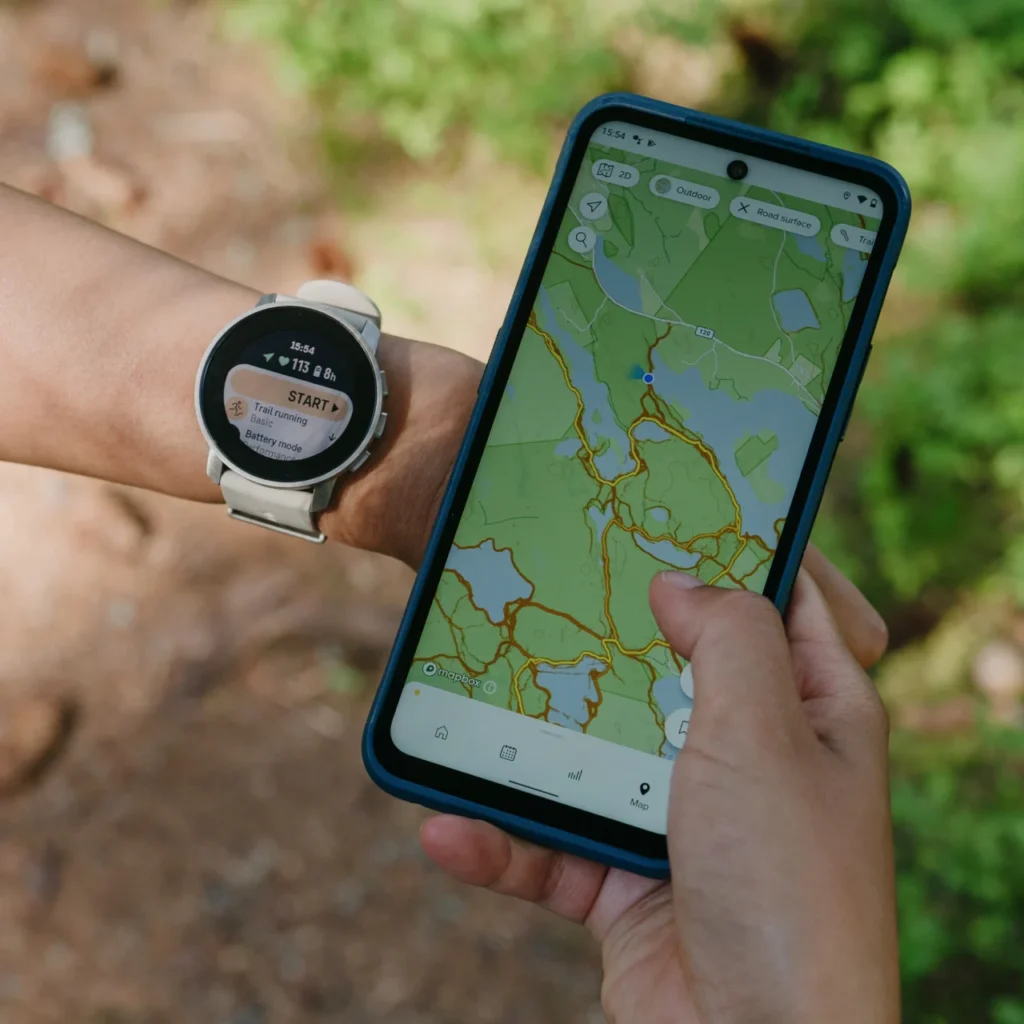
Suunto Watch
Suunto’s 9 Peak Pro GPS watch has saved me from my terrible sense of direction more times than I can count. It allows you to download a GPX route to your watch and tell you in real time if you’re going off-route (even if there’s no cell service). Unlike my Apple Watch, the battery actually lasts through a multi-day hike.
Off the Mountain: Small Luxuries That Change The Whole Trip
The hike ends, but the trip doesn’t. In addition to your regular packing list, these little luxuries can make your hiking trip a little more comfortable once you’re back at your hotel or cabin.
Tevas or Camp Slippers
Getting out of your boots the moment you’re done is one of the best feelings in outdoor travel. I always leave a pair of Teva sandals or camp slippers in my car to slip into immediately post-hike.
Comfortable Lounge Clothes
Post-hike, a hot shower is one of the greatest feelings, and you don’t want to ruin that by putting on hard pants (jeans) after if you’re just going to be lounging around your vacation rental. Don’t forget to pack a cozy lounge outfit for that post-hike, pre-bed period.
Theragun Mini
If your budget does not extend to having a personal massage therapist on call, the Theragun Mini massager is the next best thing. It’s packable, but surprisingly powerful given its size, and is the most beneficial thing you can do to help with recovery and prevent soreness after a long hike.
Small Cooler with Cold Drinks for the Car
Lukewarm water from your Nalgene hits the spot on the trail, but knowing there are ice-cold drinks waiting for you back at the car is real motivation to keep going. I keep a small YETI cooler packed with whatever I’m looking forward to most: cold Gatorade, a soda, etc. The YETI keeps things cold for hours, so whatever you put in before you leave the trailhead will still be perfect when you return.