Most people don’t think of winter as national park season. The biggest and best sections of many parks sit at high elevation, which means a good chunk of them stay buried under snow and locked up until late spring.
But for other parks, winter is the absolute best time to go. Whether that means diving into world-class snorkeling spots (that’s right—not every national park is just trails and trees) or taking advantage of cool weather to safely explore hot-weather destinations, these are the best national parks to visit in the winter.
Yosemite National Park, California
Yosemite is one of the only national parks with an operational ski resort inside its boundaries (Badger Pass), so you can have the unforgettable experience of downhill skiing against a stunning background. Since it’s in a protected area, Badger Pass relies on natural snow instead of snow-making technology, so just be aware that openings are unpredictable.
Outside of the ski area, Yosemite has plenty to do in the winter months. Snowshoe or cross-country ski all the way out to Glacier Point for a solitary view of Half Dome. Down on the valley floor, snow clings to the massive granite faces of El Capitan, and the waterfalls freeze into giant ice formations. Best of all, winter is the one season when you can experience Yosemite Valley without fighting bumper-to-bumper traffic or struggling to find a parking spot.
Death Valley, California
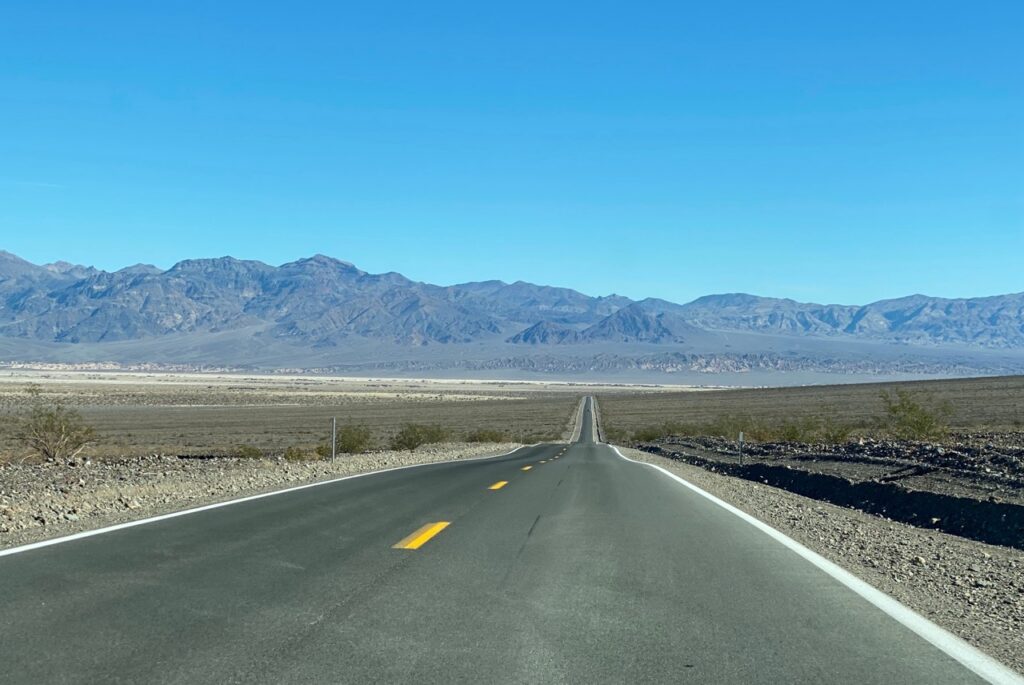
Death Valley earns its name in the summer, when temperatures routinely push past 120°F and a basic one-hour hike can turn dangerous fast. Visiting in the winter completely changes the dynamic, offering more manageable temperatures in the 70s. To put things into perspective, I visited in February, and still struggled with the desert sun’s heat on some trails. I can’t imagine coming here in July.
Virgin Islands National Park, St. John
Taking up a massive portion of St. John, this park is the perfect tropical getaway to cure your winter blues. Famous spots like Trunk Bay and Cinnamon Bay feature clear, turquoise water that feels more like bathwater than the ocean.
Beyond the beach, hiking trails wind past overgrown ruins and ancient petroglyphs in the island’s interior.
Joshua Tree, California
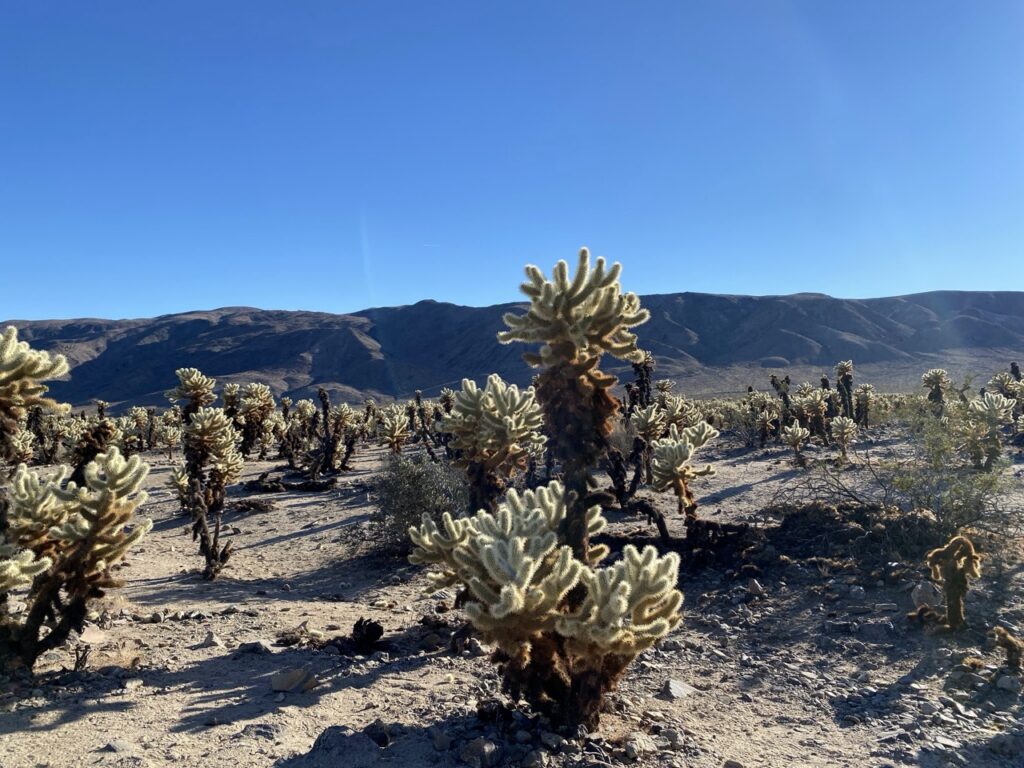
If you have the time, it’s worth pairing Joshua Tree with Death Valley for the perfect National Parks road trip. The two parks are about a 4-hour drive apart, and the daytime weather is just as forgiving (even if high-desert nights drop down to freezing). You’ll be able to comfortably hike trails like Ryan Mountain in the middle of the afternoon.
The Joshua trees themselves look almost surreal against a clear blue winter sky, and scrambling across the massive boulder piles at Hidden Valley is a lot more appealing when the granite isn’t hot enough to burn your hands.
Big Bend National Park, Texas
Set in a remote corner of West Texas along the Rio Grande, Big Bend is another desert park where winter provides the ideal window for visiting. Summer heat can be punishing, but winter delivers mild, clear days for tackling long treks through the Chisos Mountains or hiking into the steep, dramatic walls of Santa Elena Canyon. Because it’s miles from any major city, the light pollution is almost non-existent. Pitching a tent on a cold, clear winter night gives you some of the best stargazing in the entire country.
White Sands National Park, New Mexico
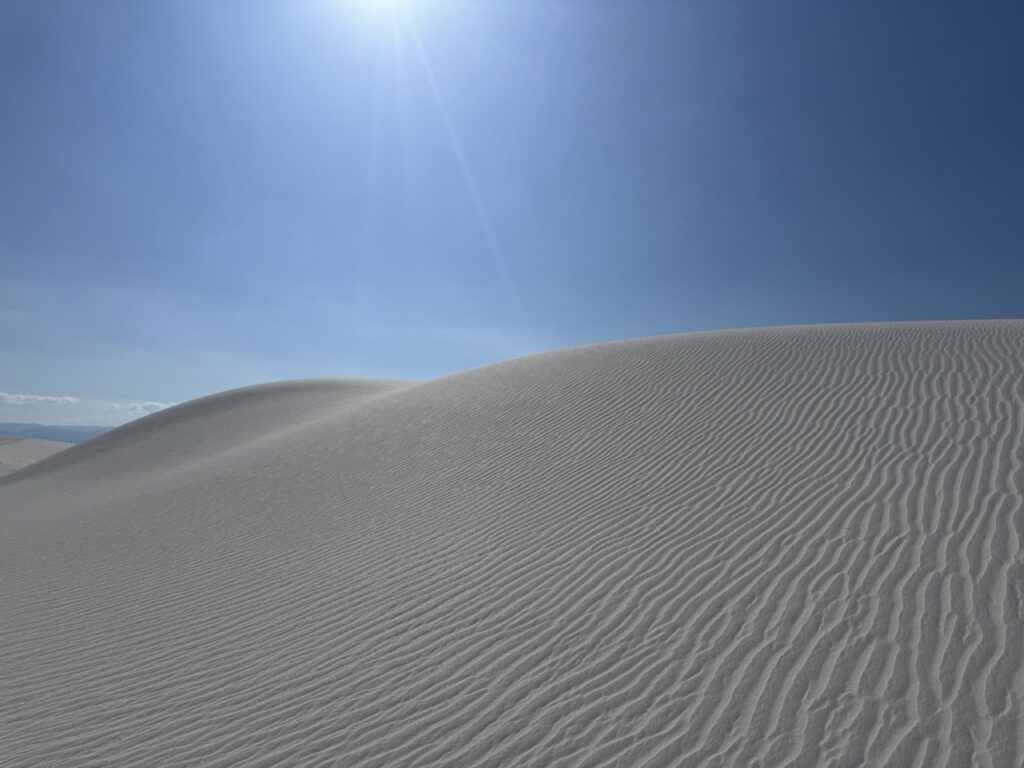
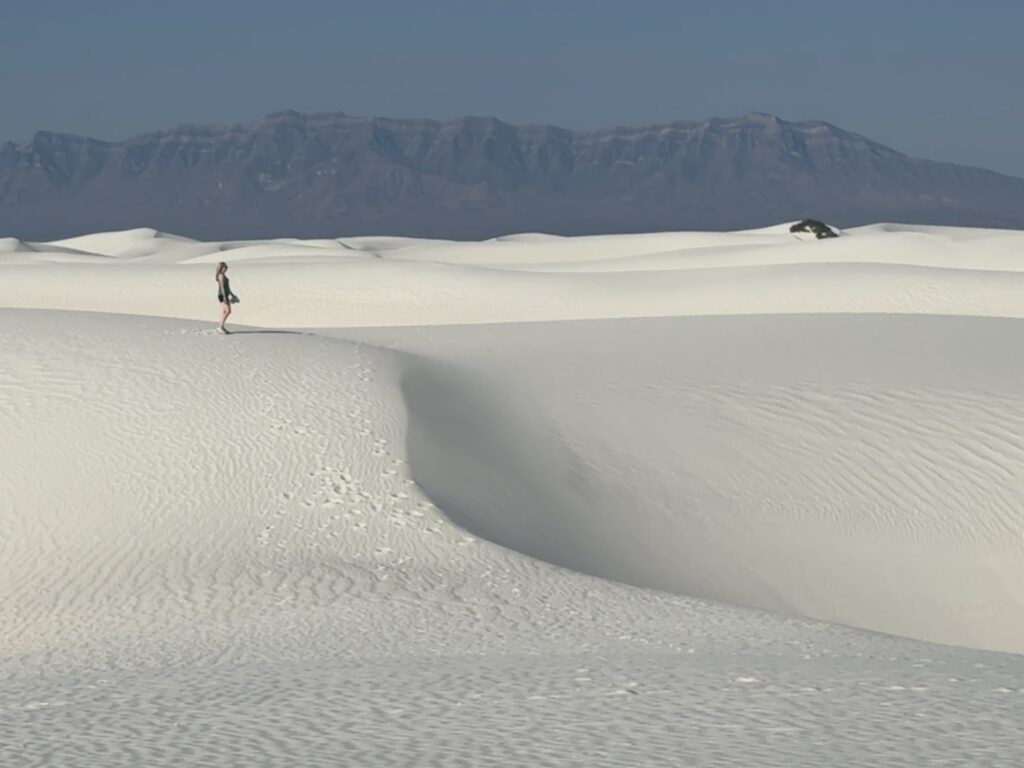
I visited White Sands National Park during early fall and was shocked at how hot it still was, with temperatures in the high-90s. The bright, unrelenting sun definitely felt stronger out here than what I was used to. I ended up starting my day super early to walk the sand dune trails before the heat of the day set in, and then heading to Cloudcroft (a mountain town that’s about an hour away and a good 10 to 15 degrees cooler) during the afternoon for a break, before coming back to the park at sunset to enjoy the stunning light and more bearable temperatures.
Visiting in the winter means cooler temperatures, so you can spend the whole day in the park, hiking the Alkali Flat Trail, trying out sandboarding, or just wandering out into the endless white without waiting for sunset to make it safe to step outside.
Dry Tortugas National Park, Florida
Situated 70 miles west of Key West, Dry Tortugas National Park is accessible only by ferry or seaplane, so make sure to book your winter trip in advance. Instead of mountains and hiking trails, you’ll find seven small islands scattered across warm blue waters. Snorkel the vibrant coral reefs, kayak around Fort Jefferson, or simply go for a swim—only 1% of this national park is dry land.